


According to Dr. Mascarenhas, rheumatoid arthritis is one of the most common forms of inflammatory arthritis treated in her practice. The condition tends to affect women more than men, with age of diagnosis occurring as early as the 20s or 30s and a spike in incidence among post-menopausal women.
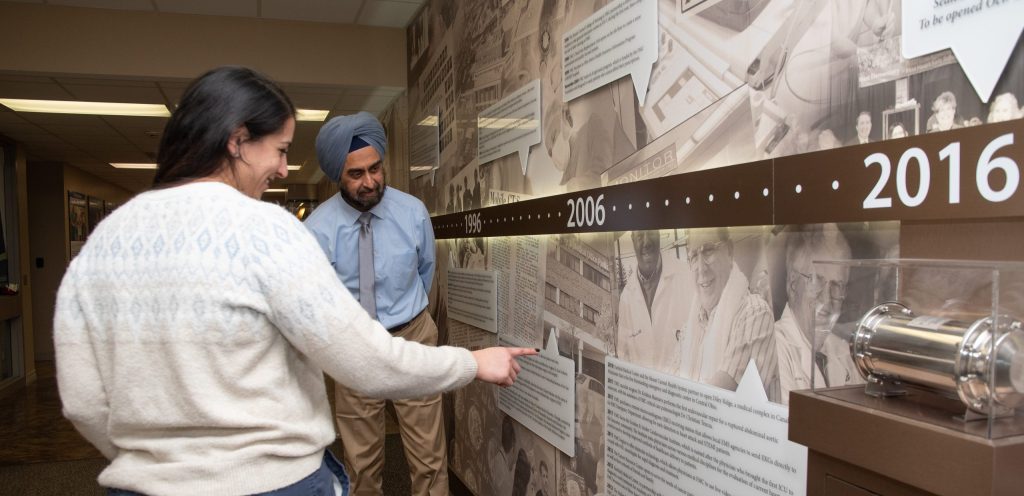
As oncologist Dr. Kanwaljit Singh departs the hospital and community he served for several decades, his daughter, Dr. Avneet Singh, looks forward to carrying on the family’s legacy in medicine.
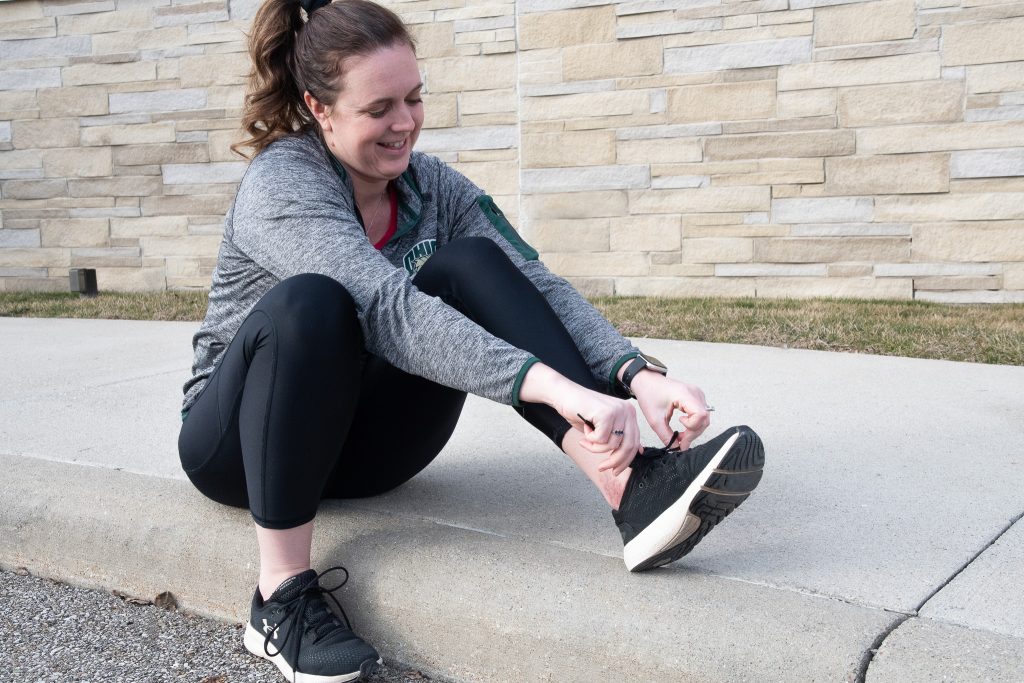
After narrowly avoiding a lower limb amputation, FMC Wound Clinic patient Audra Harden is back on her feet again – and raising awareness about a common chronic disease.
Prostate cancer is the most common cancer among American men, outside of skin cancer. The majority of prostate cancer cases show no symptoms when the disease is in its early stages, which is why prostate screening can be an important part of preventative care.

Prostate cancer is very common – affecting one in eight men. Learn more about risk factors and symptoms of this disease.

Congratulations to the following providers, who were recognized as 2022 Top Doctors by Columbus CEO magazine:
Dr. Sang-Kyune Lee, Family Medicine

Patty Swinehart opted to undergo a lung cancer screening, a decision that proved to be lifesaving when the test uncovered two spots on her lung.

Skin cancer is the most common type of cancer for both women and men. One important way to lower your risk of skin cancer is to perform regular skin checks and look out for new or changed moles or growths.

With 1 in 5 Americans developing skin cancer in their lifetime, skin cancer is the most common type of cancer. There are easy ways for you to lower your risk of skin cancer this summer.
May is Skin Cancer Awareness Month, and a great time to familiarize yourself with information about skin cancer. Check out the articles below to learn more about how to protect your skin, signs of skin cancer and more.

Many people know that skin cancer is the most common type of cancer. But did you know that there are different types of skin cancer? It’s important to understand the differences because skin cancer type affects treatment options, progression and more.

Skin cancer is the most common form of cancer in the United States, with more than one million skin cancers diagnosed every year. Safeguarding yourself from the sun can dramatically lower your chances of getting premature wrinkles, sunspots and, most importantly, cancer.
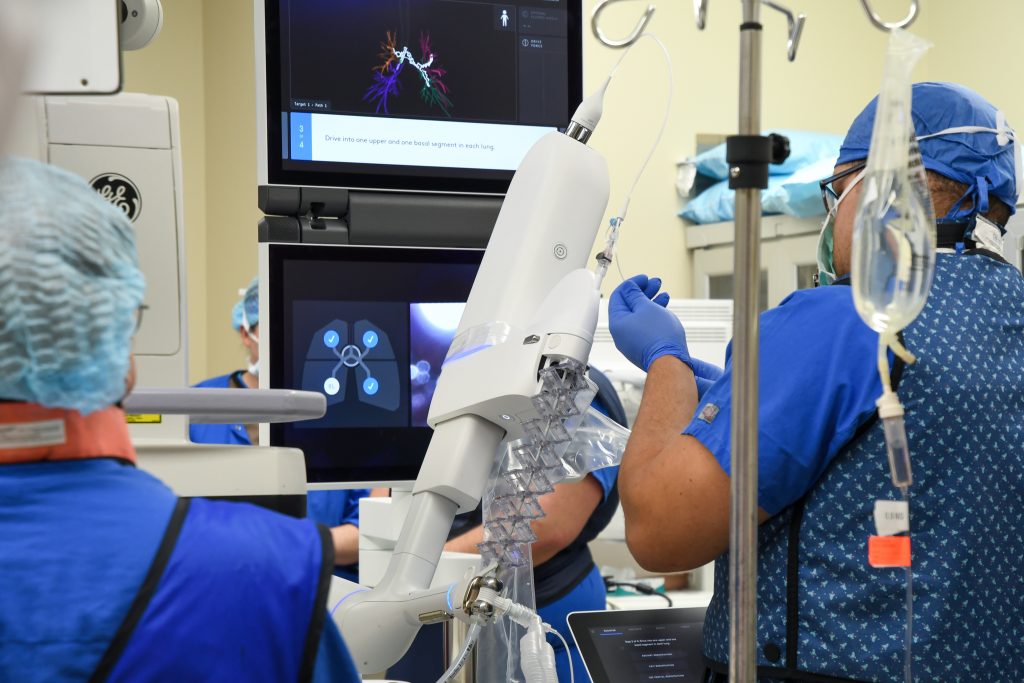
Fairfield Medical Center is one of just three Ohio hospital systems investing in Intuitive’s ION robotic technology, designed to beat lung cancer in the earliest stages of disease. The ability to biopsy suspicious nodules, regardless of size or location within the lung, will lead to faster treatment and better outcomes for those facing the life-changing diagnosis.

October is Breast Cancer Awareness Month, and a great time to reprioritize your breast health. Check out these articles to learn more about breast screening, breast cancer and stories from survivors.

After almost putting off a routine mammogram that would end up revealing a breast cancer diagnosis, Tracy Gerardi has a message for other women: Do not delay your annual screening.
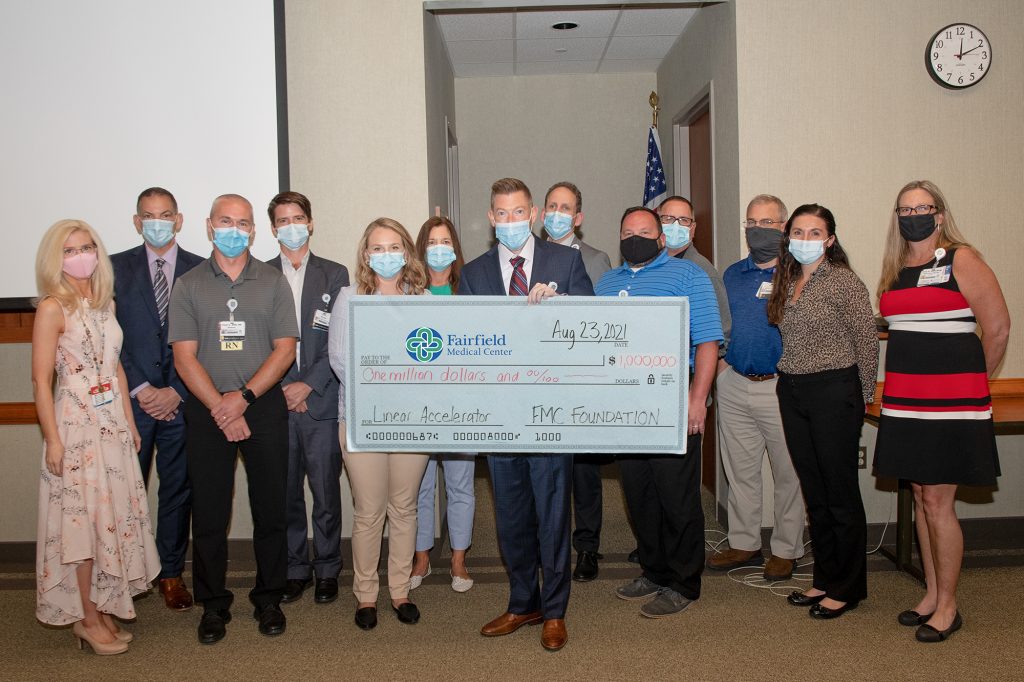
Cancer patients at Fairfield Medical Center will experience shorter and more precise radiation treatments beginning September, 2021 thanks to new technology that was purchased through a generous donation from the FMC Foundation.
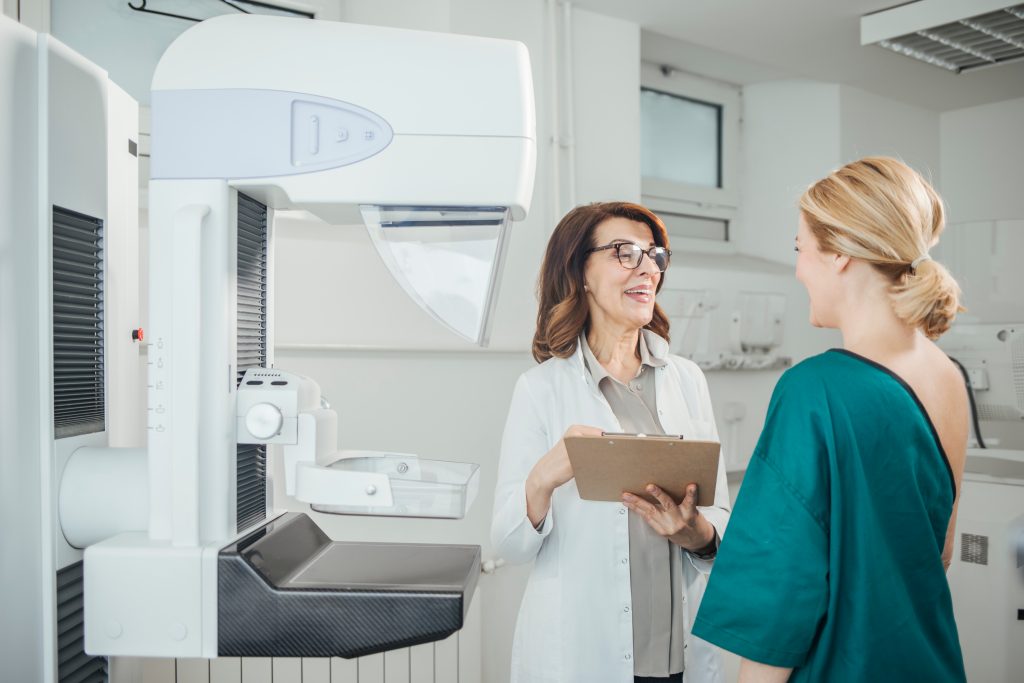
Mammograms are the best tool for catching breast cancer in its early stages when it is most treatable. Finding breast cancer early can lead to more successful treatments and better outcomes.

While it’s probably not something we think about often, our lungs are a vital part of keeping your body alive – working overtime to take about 20,000 breaths a day! While your body has natural defense systems in place designed to protect your lungs, it is still important to take steps to keep your lungs healthy.
As a woman, you know that taking care of yourself is important, but often your health gets lost in the business of every day life. We are here to remind you that regular breast exams are the best way to prevent and detect future problems – like breast cancer.

Many women with breast cancer have no symptoms, which is why regular breast screening is so important. The best way to catch breast cancer in the early stages – when it’s most treatable – is through routine mammograms. Early detection of breast cancer can lead to more effective treatment and better outcomes.

As with many cancer types, esophageal cancer has a greater chance of being treated if the disease is caught early. The key to surviving esophageal cancer is early detection.
Colorectal cancer is the fourth most common type of cancer diagnosed in the United States – but the good news is that’s it’s also one of the most preventable. The best way to catch colorectal cancer in the early stages – when it’s most treatable – is through routine colonoscopies.
Most esophageal cancer is not found until it begins to cause symptoms, which can lead to more difficulty with treatment due the advanced stage of the cancer. Getting to know the warning signs of esophageal cancer is an important part of early detection.
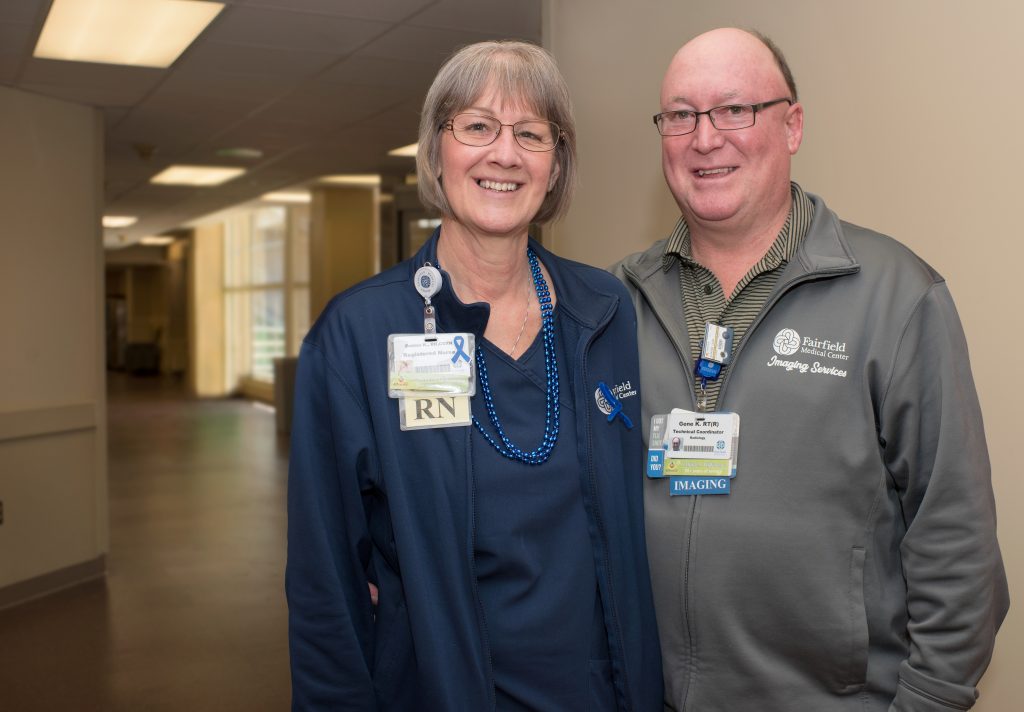
When FMC nurse Deb Klinger made an appointment for her first colonoscopy, she wasn’t prepared for was the life-changing news of a colon cancer diagnosis.
The best way to catch colorectal cancer in the early stages – when it’s most treatable – is through routine colonoscopies, which monitors for the polyps that may eventually change into cancer.

No matter your age, routine screenings are an important part of monitoring and managing your health.
While thousands of women are diagnosed with invasive cervical cancer each year, the disease can be prevented through appropriate vaccination and regular screening.
Each November, we look forward to honoring and remembering those impacted by lung cancer. This video offers the opportunity for a virtual celebration of lung cancer survivors, advocates and loved ones.

Dealing with a cancer diagnosis and treatment is a difficult challenge, and the COVID-19 pandemic makes the situation even harder. We’ve provided some information to help you navigate this trying time.
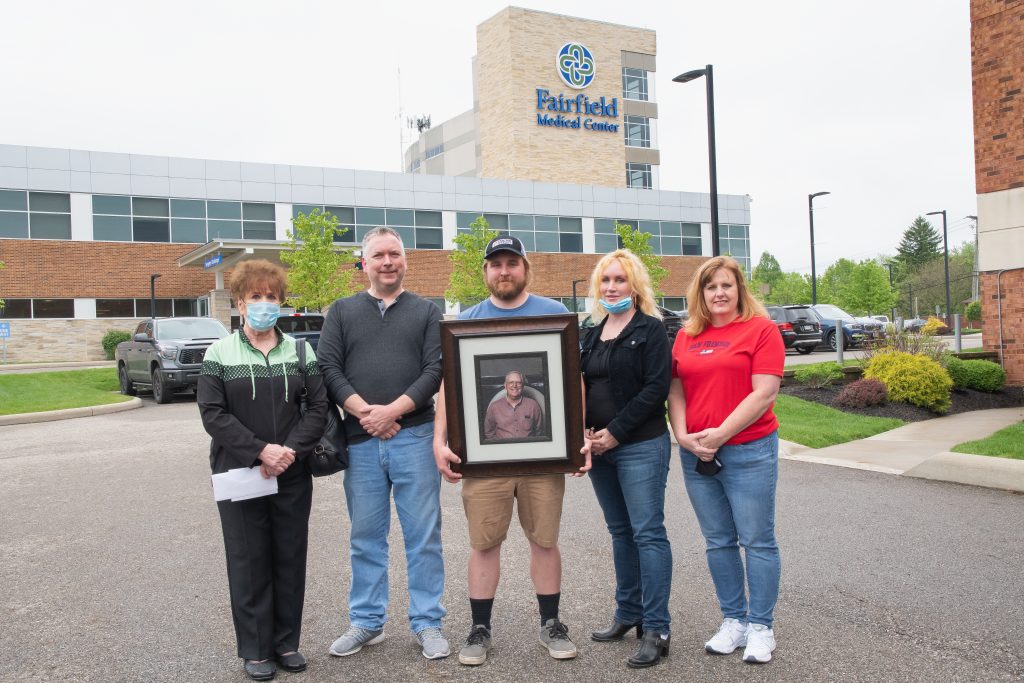
Loving wife Joyce Murphy lost her husband, Earl “Butch” Murphy, Jr., to cancer in March. Butch fought a five-year battle with multiple myeloma, a form of cancer that affects plasma cells found in bone marrow, and received his care at Fairfield Medical Center’s Cancer Care and Infusion Center.
To learn more about our FMC Foundation and how you can make a difference, call 740-687-8107 or visit fmchealth.org/foundation.