

Cold Weather Culprits
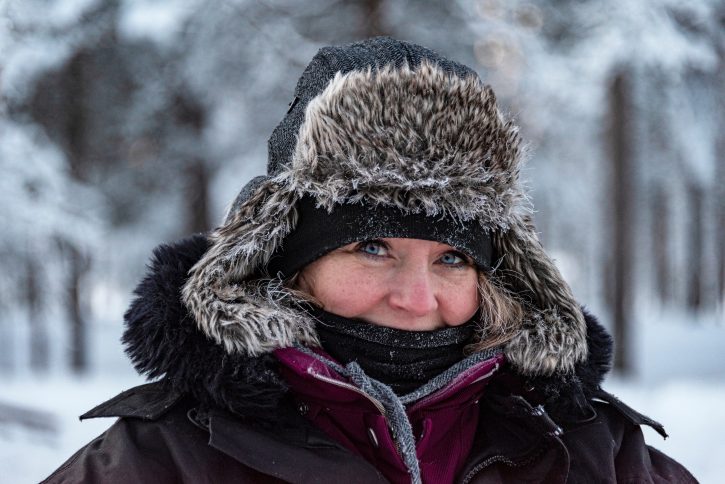
Winter is here and with it typically comes a host of ailments like sinus infections, dry skin and achy joints. Not only are the dark, cold days of winter physically and emotionally challenging, but they can make us prone to severe illness and injury if we aren’t cautious. Below are a few ways to protect your body and mind as you navigate the coming months and await the arrival of spring.
- Heart & Lungs: Individuals with heart issues are prone to hypothermia and vasoconstriction (a narrowing of the blood vessels that can cause an increase in blood pressure). Dress for the weather and limit your time outdoors – don’t wait until you’re shivering to head inside, as this could be a warning sign of hypothermia. Other warning signs include confusion, drowsiness, poor coordination, and slurred speech.Strenuous activity in cold weather is also bad for your heart and can lead to overexertion. Don’t be afraid to recruit the help of a family member, friend, or neighbor with tasks such as clearing off the car or shoveling the driveway. If extra help isn’t available, pace yourself and take breaks.
For individuals with lung conditions like asthma or COPD, their symptoms may worsen in the winter due to less moisture in the air, which can cause the airways to narrow. For asthma sufferers, this can lead to shortness of breath and wheezing, while those with COPD may experience painful lung spasms. A humidifier can help add more moisture to the air, especially if your thermostat is constantly running. If you don’t have a humidifier, placing large bowls of water around your home is an effective alternative.
- Skin: Low humidity, dry air and lack of sunlight can leave your skin feeling red and itchy in the winter. Daily showers can strip your skin of the natural oils that keep it soft and healthy, so limit your showers to a few days a week and keep them brief. Make sure the water is warm (not hot) and apply a fragrance-free moisturizer after you dry off. Lastly, make sure to remoisturize and fully cover up your skin when you head outside.
- Brain: If the dark, cold days of winter leave you feeling sleepy, sad, and socially withdrawn, you may have Seasonal Affective Disorder (SAD), or seasonal depression. Researchers believe lack of sunlight this time of year can cause a chemical imbalance in the brain due too much melatonin (the hormone that makes us feel tired) and too little serotonin (the hormone that boosts our mood). Symptoms of SAD include depression, oversleeping, overeating, weight gain, social withdrawal, and impaired cognitive function. Talk with your provider if you are experiencing these symptoms; SAD can be treated in a variety of ways, including light therapy, antidepressants, and even aerobic exercise.
- Joints: It’s not a myth that you can feel the cold weather in your bones. Many people experience joint pain and stiffness in the winter, especially those with arthritis. There are many reasons why this occurs, including a drop in barometric pressure, decreased circulation, and lack of activity. The key to relieving joint pain is to keep your body warm, hydrated, and active – but try not to overdo it. Low-impact exercises like yoga are preferred over high impact exercises like running and biking because they keep the blood moving without putting a strain on your joints. Warm baths or a heating pad can also help sooth aches and pains. If your pain is severe, your doctor may recommend a non-steroidal anti-inflammatory drug, which is available by prescription or over the counter.
- Sinuses: If you feel like you’re constantly sniffling and blowing your nose, your body is likely producing too much mucus. Cold air dries out the mucus in our sinuses, causing our body to overproduce, which can lead to congestion and other respiratory symptoms. It can also lower immunity in the nose and make you more susceptible to viruses and infections. Make sure you’re up to date on your vaccinations and keep germs at bay by washing your hands frequently, staying home if you’re sick and sanitizing high touch services.
No matter what ails you, have a primary care provider can help you manage illnesses and injuries throughout the year. Learn more about primary care options with Fairfield Healthcare Professionals.