Summer Safe Food Prep
It’s the season of outdoor eating, and chances are you and your family will be hosting a barbecue, enjoying a picnic in the park or roasting hotdogs over an open fire before the summer is through. When the weather turns warm, our meals tend to follow us outdoors as we enjoy activities like camping, swimming, boating and hiking. Unfortunately, one in six Americans will experience food poisoning this year, which can lead to hospitalization in serious cases. Food poisoning occurs when you consume food that has not been properly prepared or stored. To help keep you safe, we’ve compiled some common mistakes people make when preparing, storing or serving food:
Common Mistake #1: You aren’t cooking at the right temperature
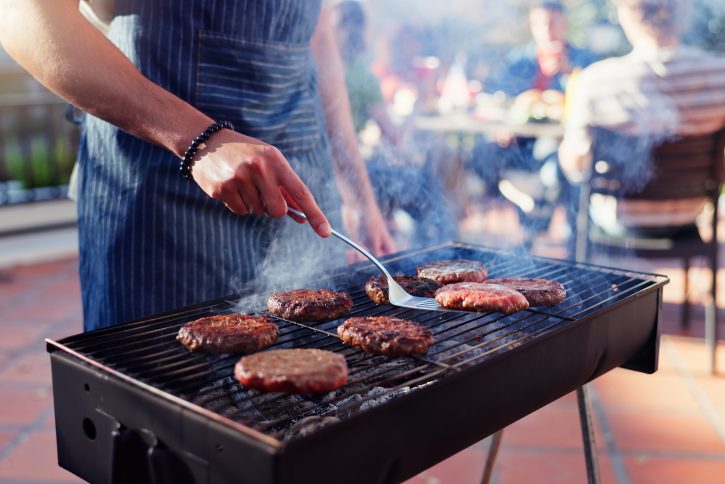
Seasoned grillmasters may boast that they can tell by looking at the color or texture of the meat if it’s done. However, a food thermometer is the best (and most accurate) way to ensure that food is thoroughly cooked. The temperature will vary based upon the type of meat you’re cooking. For example, hamburgers should be cooked to 160 degrees while large cuts of beef (such as roasts or steak) can vary between 145 degrees (medium rare) and 160 degrees (medium). Poultry should be 165 degrees, while fish is ready at 145 degrees.
It’s equally important to be mindful of temperature when reheating food. Sauces and soups should be brought to a boil and food that is cooked in the microwave should be covered, stirred and rotated to ensure the heat is evenly distributed.
Common Mistake #2: Your cold foods aren’t cold enough
If you’re storing food in a cooler, it should be packed to capacity with ice or freezer packs. Make sure that raw meats are sealed inside containers and placed at the bottom to prevent their juices from contaminating other foods. It’s also a good idea to store food and drinks in separate coolers.
Once you’re outside, keep the cooler out of direct sun and tightly closed when not in use. When the ice or gel packs are completely melted, your food is no longer safe and should be discarded.
Common Mistake #3: You aren’t preparing or storing food correctly
Dirty hands, surfaces and utensils open the door for bacteria and toxins to settle in during the food preparation process. Wash your hands thoroughly (at least 20 seconds with soap and water) and often while preparing and cooking food. In addition, make sure your cooking surfaces are clean and sanitary. To prevent cross contamination, do not place cooked meat onto a plate or cutting board that previously held raw meat. The same goes for utensils – give them a good scrub between uses or grab a fresh one.
Certain foods, mainly fruits and vegetables, should always be washed and dried before they are eaten. Anything with a firm skin, such as potatoes, cucumbers and melons, should be scrubbed with a brush. If your fruits and vegetables are packaged and marked as “washed” or “ready to eat,” you can skip this step. Safe food prep is also critically important when it comes to defrosting. Never thaw food at room temperature; instead, you defrost it in the fridge, in cold water or in the microwave. Take note that if you defrost in water or the microwave, the food needs to be cooked immediately.
Once food is set out, the timer starts ticking – and it may be shorter than you think. Cold foods can only stand warm temperatures (above 90 degrees) for an hour before they have to be rechilled. Hot foods should be held at or above 140 degrees and eaten within two hours of cooking. Use a timer to remind yourself when it’s time to take food back inside.
Sources: Partnership for Food Education Safety, US Food and Drug Administration