

Poison Prevention
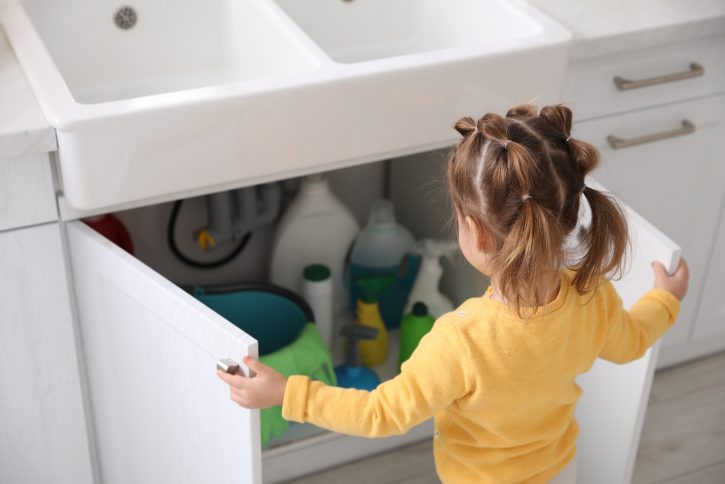
Medicine, cleaning products and cosmetics are items many of us keep in our home and use on a regular basis. Unfortunately, they are also the most common items linked to accidental poisonings, particularly in children under 5. An accidental poisoning, which occurs when someone ingests harmful chemicals, substances or foods by mistake, can cause adverse health effects or even death if not treated immediately. In recognition of Poison Prevention Week (March 15-21), learn how you can keep yourself and your family safe from an accidental poisoning.
How can I tell if someone has been poisoned?
Symptoms of a poisoning may begin quickly or develop hours after exposure and can include confusion, slurred speech, pain in the head, chest or stomach, vision problems or loss of vision. Other common symptoms include nausea, vomiting, diarrhea, difficulty walking, a rapid or slow heart rate and very small or large pupils. If you believe someone has been poisoned, don’t wait to call Poison Control at (800) 222-1222, even if there are no symptoms. If the victim is having a seizure, is unconscious or stops breathing, they are experiencing a medical emergency, and you need to call 911.
What happens when I call poison control?
Poison Control is free, confidential and available 24/7. Before you call, make sure you have the container that caused the suspected poisoning in hand and try to remain calm; the more information you can relay about what happened, the better. The Poison Control personnel will likely ask you questions about the victim (age, weight, existing health issues, etc.), as well as how the poisoning occurred and when. Tell them about any symptoms the person is experiencing and only treat the symptoms as directed by the Poison Control personnel. In some situations, the symptoms may require observation at home rather than a trip to the Emergency Department.
How can I prevent a poisoning in my home?
If you have children if the home, it’s very important to store medicine, cleaning products, laundry detergent and personal care products out of reach. Only use these items as directed and never mix products together. It’s also important to keep these items in their original containers so they cannot be confused with something else.
When taking medication, carefully follow the instructions on the bottle and make sure to check the expiration date. If you are already on another medication, be mindful of possible drug interactions and call your doctor if you are unsure whether it’s safe. Never share prescription medication; not only is it illegal, but you are taking medication that was not prescribed for you and, as a result, could cause adverse side effects.
What about pets?
March is also Pet Poison Awareness Month. Like children, animals are naturally curious and prone to accidentally ingesting something that may be harmful to them. Most commonly, these items are medication, cleaning products and pesticides. Certain foods, while harmless to humans, can also be dangerous for pets. Chocolate is a well-known toxin for dogs and cats, as are grapes, raisins, onions, garlic, chives and the artificial sweetener xylitol. As spring approaches, be mindful of what plants you place in and around your home. Stay away from lilies, aloe vera, sago palms, tulips and daffodils, as these can all be toxic.
If you suspect that your pet may have ingested something harmful or poisonous, call the ASPCA Animal Poison Control Center at (888) 426-4435 or a 24-hour emergency vet clinic. You will be asked what your pet ingested and how much. Treat the symptoms only as you are directed, and do not try to induce vomiting unless you are told to do so, as this may cause more harm than good.