

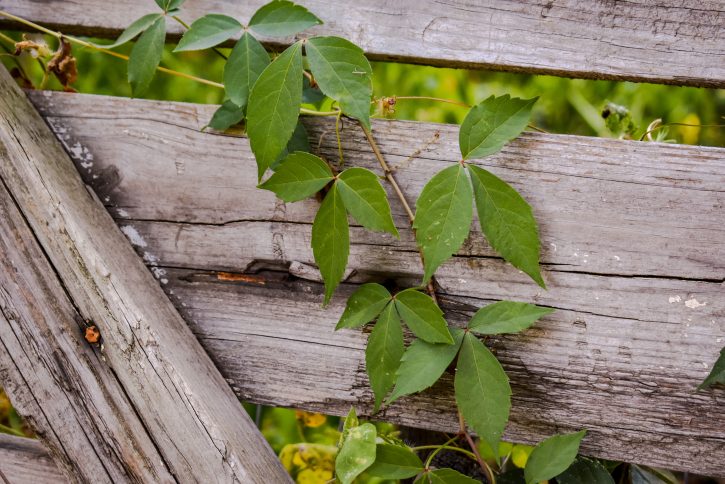
When it comes to identifying – and avoiding – poison ivy, “leaves of three, let it be” is a well-known adage and good rule of thumb to remember, especially if you’re planning to do a lot of hiking or camping this summer. Poison ivy is a sneaky plant that easily blends in with otherwise harmless foliage and can pack a mean punch if youaccidentally cross its path. It’s common in Ohio and commonly misunderstood, especially when it comes to treating it. Below are a few important facts to remember about poison ivy:
The entire plant – not just the leaves – can cause a reaction if you touch it.
Poison ivy (as well as poison oak and poison sumac) have a resin on their leaves, stems and roots that in many people can cause skin irritation and a rash shortly after contact.While wearing long pants and sleeves can help protect your skin from an accidentalbrush with poison ivy, make sure to remove your clothing carefully and wash it as soon as you get home. If your clothing touchesany part of the plant, the resin can stay on your fabric and cause a potential exposure later.
Poison ivy rashes don’t always appear right away.
The reaction typically starts within a few hours to several days after exposure. It will feel itchy at first, then become red before small blisters begin to form.These blisters will ooze fluid and eventually crust over within a week or two. Over-the-counter treatments like hydrocortisone cream and diphenhydramine (Benadryl and other brands) can help heal the rash and sooth the itching.It’s best to apply the cream as soon as the itching starts and not wait for skin reddening to occur. If symptoms are persistent or severe, prescription medication from a physician may be needed.
You can’t completely wash away poison ivy resin.
Naturally, our first instinct when we brush up against poison ivy is to immediately scrub ourselves with soap and water in the hope that we can remove the resin. Some people may even go to the extreme measure of using bleach or harsh soap. This method is not recommended and can dry out your skin, making the rash even worse. Unfortunately, poison ivy resin cannot be simply washed away because it quickly binds itself to the skin, usually within 30-45 minutes after exposure. If you happen to notice it right away, a good scrubbing with mild soap and water may lessen your likelihood of developing a severe rash, but you’ll still have some discomfort and itching. The good news? You can’t spread poison ivy to someone else, even if they touch your rash or blisters, so limiting contact with others is not necessary.
If poison ivy is growing on your property, don’t burn it.
If you find poison ivy growing on your property, you can get rid of it – just be cautious and make sure you use the right method! Burning poison ivy is strongly discouraged, as it will only release the toxic oils into the air. The plant must be removed – roots and all – from the ground and disposed of in heavy duty plastic bags. Make sure you cover yourself from head to toe before you begin and wash up thoroughly with soap and water when you’re done. Don’t forget to clean your garden tools as well!